
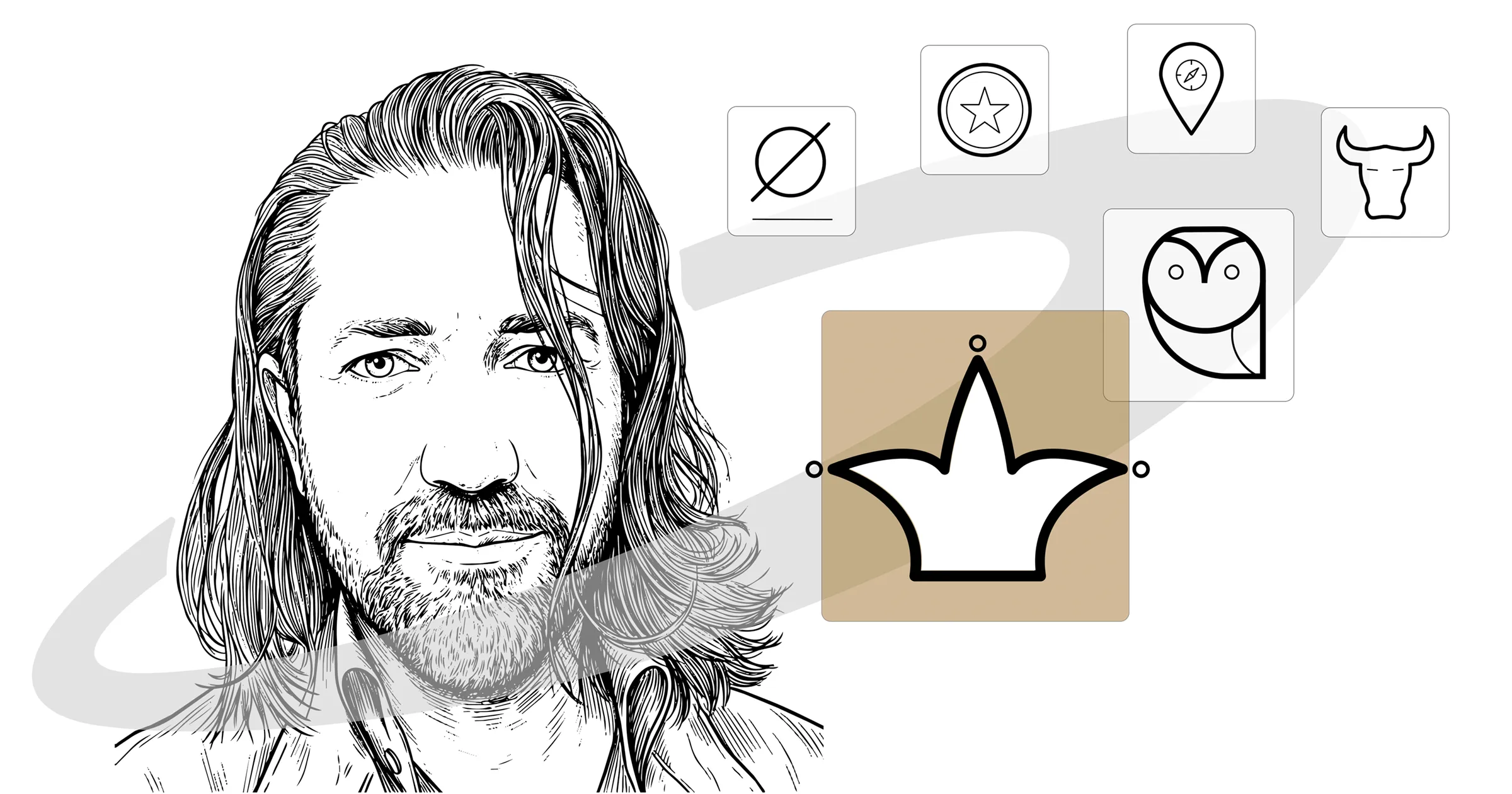



Point of view · Essays · 2024 — 2026

Perspectives
that challenge
the obvious.

Written for owners and executives navigating complexity — not for consultants who already agree with each other. Each piece is built on client work, not theory.

Articles
Some principal thoughts. More to follow.

Four essays that build on one another — most grounded in a specific client engagement, all circling the same question from different angles. Read time: 4–8 minutes each. If something here makes you uncomfortable, that's usually the signal.

Questions
On the thinking, and how it connects.

The questions that come up before we work together — about the format, the approach, and how this differs from traditional consulting.

F1 Where should I start — and how do these four pieces connect?
They read in order, but each stands alone. The Other Type of Consultant is the way in: who is actually able to tell you the truth. The Elephant in the Room names the real question AI keeps pointing at — is what you do still relevant? The Mirror, Not the Magic Wand is what AI does to that question: it reflects more than it transforms. And The AI Trap is what it takes to act on the reflection — bike, legs, and pace. If you only read one, start with whichever title made you most uncomfortable. That is usually the one you need.
F2 Is there a single idea running through all of them?
One thesis, four angles: most digital problems are business challenges wearing a technology mask. The tool is rarely the point. The relevance question underneath it, the honesty to see your business clearly, the capability you build rather than buy, and the pace to sustain it across the distance — that is the work. The technology is only ever the occasion.
F3 What does Robert Daniel actually do?
Robert Daniel is an independent strategy advisor specialising in AI adoption and business model evolution for mid-market companies. He works directly with owners and executives — not through a large consulting firm — to reframe strategic challenges, design transformation architectures, and make decisions that stick. Engagements typically combine strategic diagnosis, solution design, and hands-on implementation support.
F4 Who is this advisory for?
Owners and executives of mid-market companies — primarily in the DACH region — navigating decisions about AI, digital transformation, or business model change. Typically businesses between €10M and €500M in revenue where the CEO is directly involved in the strategic question. Not for companies looking for implementation teams, IT vendors, or large corporations that already work with global consulting firms.
F5 What's the difference between a strategy advisor and a management consultant?
A traditional management consultant brings a team, a proprietary methodology, and a framework they implement on you. Robert brings a versatile toolbox — but more importantly, one relationship, directly with you, over time, with full context. The model is closer to a trusted sparring partner than a senior consultant presenting from the front of the room. That means faster decisions, fewer decks, and more accountability for what actually happens. It is the argument of the first essay, made in practice: the Jester, not the Magician.
F6 We have an expensive strategy paper from a big firm — but can't execute it. Can you help?
This is one of the most common situations Robert works in. Strategy papers from large consultancies don't fail because the logic is wrong — they fail because organisations weren't designed to execute them. Robert translates C-level strategy into workstreams the actual organisation can handle. Peter Drucker said it best: culture eats strategy for breakfast. The work is turning the framework into feasible tasks and tangible results — traction on the road, not in the simulator. Or, in the language of the fourth essay: the paper bought the bike; the execution is the legs.
F7 Can I share these essays with my leadership team?
Yes — that's exactly the point. These articles are written to spark conversation at the executive level, not to provide final answers. Share one before a strategy session, a board discussion, or an AI investment decision. If it generates disagreement, that's usually a signal worth exploring rather than smoothing over.
F8 How do I start working with Robert?
The simplest entry point is a single sparring session — no retainer, no commitment. You bring a specific strategic question; Robert brings 25 years of pattern recognition across industries and five waves of technology disruption. From there, most engagements evolve naturally. → Start a conversation
The next step

Resonate?
Or bother you?

Either way — that's usually a signal worth following. 60 minutes. No agenda required. You'll know by the end whether this is useful.